

Tag: sound quality

  • Boomin’ Systems: Is Deep Bass Really That Effective?

    Boomin’ Systems: Is Deep Bass Really That Effective?

    Do You Need Chest-Rattling Bass, or Just Better Sound?

    You’ve felt it—that deep, booming bass that shakes your ribs and electrifies the room. But here’s the real question: Is deep bass essential, or just impressive? In live sound, broadcast, and even studio setups, bass can make or break your mix. Done right, it delivers power and emotion. Done wrong, it muddies your clarity and ruins intelligibility.

    Let’s separate myth from must-have, and break down what deep bass really does for your mix, your system, and your audience.


    1. What Deep Bass Actually Adds to Your Mix

    Bass isn’t just about boom—it’s about body. Well-controlled low end provides foundation and fullness, giving your mix weight and warmth. Whether you’re mixing FOH, monitoring, or in a studio, bass communicates emotion in a way no other frequency range can.

    But without control? You get mud, masking, and unhappy listeners.

    Pro Insight:

    Most of the energy in a kick or bass guitar lives in the 50–120Hz range. But excessive boost below 40Hz? That’s just subsonic sludge unless you’re tuning for EDM or theater effects.


    2. When (and Where) You Don’t Need Boomin’ Bass

    Small venues, corporate presentations, houses of worship—these aren’t always bass-heavy environments. In these spaces, clarity, speech intelligibility, and musical definition often matter more than jaw-rattling sub energy.

    You still need solid low end, but not the kind that overloads the room or shakes loose ceiling tiles.

    Gear Tip:

    Use high-pass filters (HPFs) on vocal and speech channels to clean up the mix and avoid unnecessary low-end buildup.


    3. Designing Your System for Smart, Deep Bass

    More subwoofers isn’t always the answer. Strategic placement, phase alignment, and proper tuning matter far more. Deep bass should support—not swamp—your system.

    With AMP by NLE, tuning your bass is easier than ever. Use visual metering and networked DSP to dial in exactly the response you want. Compatible with Dante, AES67, and ASIO, AMP lets you shape your system with precision and flexibility.

    Check This Out:

    ProSoundTraining.com offers incredible deep-dives on system alignment, subwoofer array tuning, and low-frequency management. Highly recommended for engineers who want surgical control of their low end.


    4. Mixing for Impact, Not Just Volume

    Remember: Bass isn’t just about volume—it’s about presence and timing. A mix that hits hard but doesn’t overpower is always more effective than a wall of undefined rumble.

    AMP gives you detailed control over delay, EQ, phase, and routing—so your bass is felt, not fought. It’s also fully touch-compatible, perfect for front-of-house or mobile tuning on the fly.

    Quick Takeaways:

    • Tight low end beats big low end.
    • Use high-pass filters strategically.
    • Tune your system to the room, not just the genre.
    • Invest in DSP control, not just hardware.

    Want Better Bass Without the Guesswork?

    Boom doesn’t mean better. It means balance. Let our team help you design or upgrade your system to get powerful, clear, and musical bass—tailored to your space.

    Looking for expert sound engineering solutions? Book a consultation today!

    Need top-tier rental equipment for your next event? Let’s talk gear!
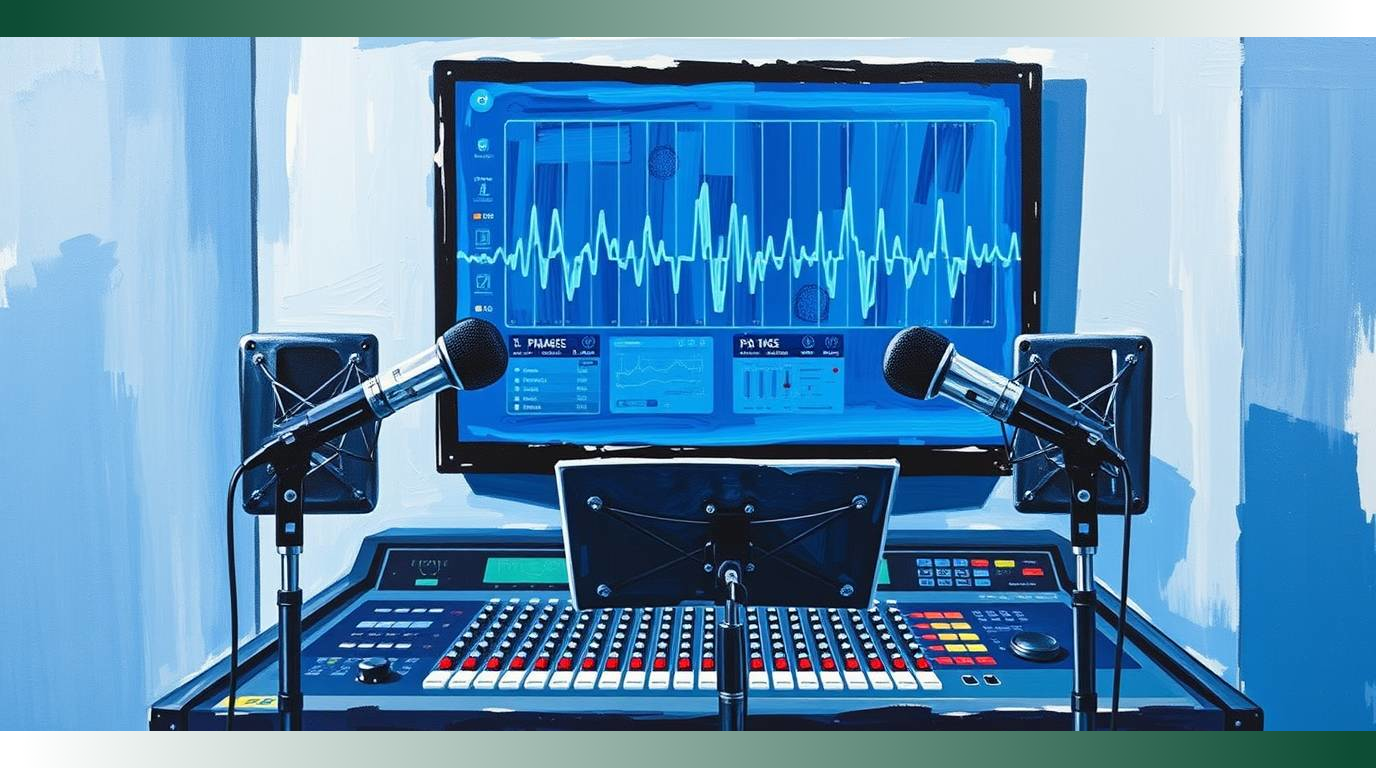
  • Stay in Phase: Simple Fixes for Better Phase and Polarity

    Stay in Phase: Simple Fixes for Better Phase and Polarity

    Are Phase and Polarity Causing Your Mixes To Fight Themselves?

    Have you ever nailed the EQ, locked in the compression, and still felt like your mix was missing something? Chances are, the culprit isn’t your plugins—it’s your phase and polarity. These two often-overlooked concepts can make or break your sound, whether you’re behind the console at a live show or fine-tuning a studio track.

    Phase and polarity issues can lead to weak bass, hollow vocals, or that frustrating “something’s off” feeling. But don’t worry—we’ll break it down in a way that’s as painless as flipping a polarity switch. Ready to hear your mixes with clarity and impact? Let’s dive in.


    What’s the Difference Between Phase and Polarity?

    Polarity is simple: it’s the direction of the audio signal’s voltage. Flip the polarity, and you’re essentially turning the waveform upside down. This is typically a 180-degree shift.

    Phase, on the other hand, is all about timing. Two signals can have the same polarity but be out of sync—causing phase cancellation that makes your mix sound thin or muddy. Understanding how these concepts interact is key to cleaning up your sound.

    Real-World Example: If you’ve ever mic’d a snare top and bottom and didn’t flip the polarity on one, you’ve likely heard that nasty comb-filtered sound. That’s phase and polarity teaming up to ruin your day.


    How to Spot and Solve Phase Problems

    1. Use Your Ears First – Is something suddenly missing when you add a second mic or track? Trust your gut.
    2. Flip It and Listen – Most consoles and DAWs have a polarity switch (Ø). Toggle it and listen for tighter low end or clearer mids.
    3. Check Waveforms – In your DAW, zoom in. Are your transients aligned? If not, you may need to nudge or delay tracks slightly.
    4. Phase Alignment Tools – Plugins like Auto-Align or Little Labs IBP can do the heavy lifting for more complex phase issues.

    Pro Insight: Multi-mic setups are a breeding ground for phase problems. When miking drums, guitar amps, or even choirs, always check for phase coherence.


    Polarity Fixes You Can Apply Today

    • Flip the polarity on one mic when miking both sides of a drum or amp.
    • Test PA speakers individually—make sure they push air forward at the same time.
    • Remember: digital polarity issues can sneak in from miswired cables or improper DAW routing.

    Quick Tips (Aside Blocks)

    ✨ Pro Tip: Always solo your low-end elements together (kick, bass, subs) and test polarity flips for maximum punch.

    🔍 Gear Check: Keep a cable tester and polarity checker in your kit. Bad wiring = bad phase.

    🎓 Learn More: Want to master phase alignment techniques? Check out SynAudCon’s training programs for in-depth courses.


    Keep Your Mixes in Phase—and in Demand

    The difference between a muddy mix and a professional one often comes down to phase and polarity. It’s not glamorous, but it’s foundational. Nail these fundamentals, and everything else—from EQ to FX—just works better.

    Want your system phase-tight and gig-ready? Book a sound engineering consultation with us today!

    Or if you’re planning a big event, let’s talk gear rentals and setup—we’ll make sure you’re aligned from the first beat to the last boom.
