Because at some point in the path of learning audio, every pro once asked, “What does this button do?”
Think You Need Fancy Gear to Start Learning Audio? Think Again.
Breaking into audio can feel like trying to mic a drum kit in the dark with oven mitts. But here’s the good news—you don’t need a degree, a Neve console, or a truckload of XLR cables to begin.
What you do need is curiosity, initiative, and a few clever ways to get your hands dirty without frying your gear (or your confidence).
Let’s talk about how to get started in audio the smart, fun, and occasionally ridiculous way.
Step 1: Lurk Where the Action Happens (and Be Helpful)
The best learning doesn’t happen in a vacuum—or in a YouTube comment section. If you want real audio chops, start by hanging out where the gear lives:
- Church sound teams are often thrilled to have extra hands, especially mid-service when everything hits the fan.
- Know a DJ? Offer to help load in, run backup, or babysit the wireless mics at their next wedding gig.
- Got a buddy who mixes for a local band, festival, or school event? Ask if you can tag along. Hold a cable. Push a fader. Ask smart (not annoying) questions.
These environments are low-stakes, real-world classrooms where you can observe the chaos, hear what goes wrong, and start connecting theory with practice.
Pro Insight:
Always ask before touching anything. And when in doubt, wrap a cable. You’ll be everyone’s favorite rookie.
Step 2: Start With Gear You Already Own
You’d be surprised what you can do with a smartphone, a free DAW, or that dusty USB mic you forgot you had. The key? Start experimenting. Record a friend’s band. Make a podcast. Mic your neighbor’s chainsaw (with permission).
Getting comfortable with signal flow, mic placement, and basic mixing happens through repetition—not buying the “right” gear.
Quick Hack:
Download free DAWs like Cakewalk or Tracktion. Pair with free plugins from TDR or Valhalla. Boom, you’re mixing.

Step 3: Learning Audio is about Following the Noise (aka Forums, YouTube & More)
Some of the best audio minds on Earth are in Facebook groups and Reddit threads arguing about phase alignment. Join the party—but listen more than you speak. Try:
- r/livesound and r/audioengineering (Reddit)
- ProSoundWeb forums
- YouTube channels like Curtiss Judd, The Recording Revolution, or Spectre Sound Studios
And don’t forget ProSoundTraining.com — where industry legends share wisdom that can save you years of guesswork.
Bonus Resource:
Follow your favorite FOH engineers on Instagram. Many post behind-the-scenes looks at rigs and live setups.
Step 4: Join the Signal Chain to Learn Audio
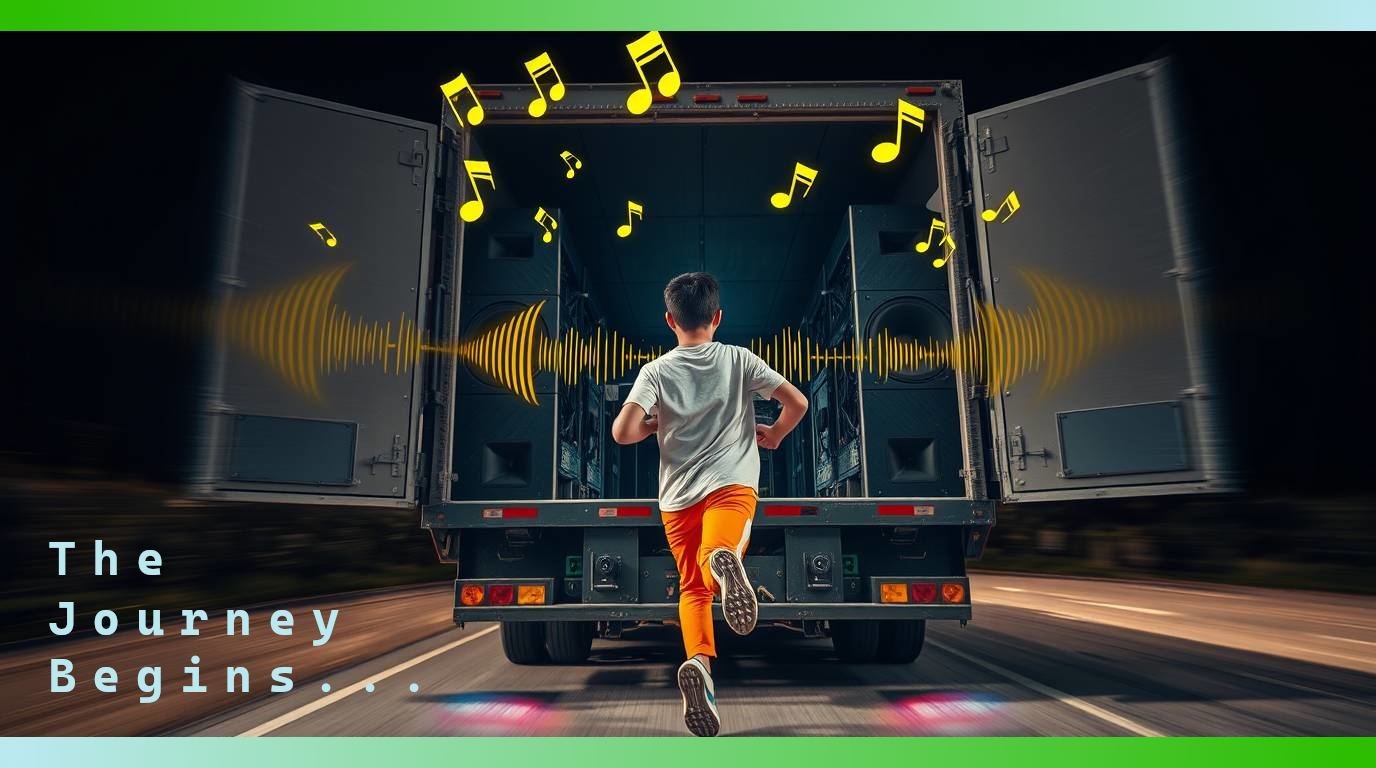
The longer you hang around audio people, the more gigs you’ll hear about. Don’t be shy. Offer to submix. Run cables. Drive the truck. Do it all with a smile and you’ll get invited back.
Also, build a basic kit: a decent headset, a flashlight, and a bag of labeled Velcro ties. It says, “I’m not here to mess around.”
Gear Starter Pack:
- Headlamp (you’ll thank us)
- Gaffer tape (not duct tape… ever)
- A bag of labeled XLRs
Ready to Crackle Less and Mix More?
If you’re dreaming of flawless live mixes, polished studio tracks, or just want to stop blowing out speakers during soundcheck—let’s talk.
We’ve trained engineers, built custom setups, and equipped churches, schools, and venues with systems that work right the first time.
Looking for expert sound engineering solutions? Book a consultation today!
Need top-tier rental equipment for your next event? Let’s talk gear!